We create tools and design processes that help collect, visualize, and use data for a more equitable world.
We bridge gaps in data use and availability to support stronger decision-making.
What We Do
For 20 years, we have built systems, dashboards, and tools to create more effective, open, and engaging institutions.
Through implementations across sectors, countries, and contexts, we’ve seen firsthand what makes data, technology, and evidence effective. We use this expertise to advise governments, agencies, and organizations to better monitor, evaluate, and use data.
Our work is informed by action-oriented research, built on tested and flexible approaches that generate pragmatic lessons for global policy and implementation.
Our Expertise
Effective Service Delivery
We cultivate data use to drive more inclusive and effective delivery of public services. We build digital dashboards and open-source tools that identify and fill key data gaps to support data-informed decision-making.
Resource Governance
How government resources are tracked, managed, and used is central to institutional accountability. Since the launch of the Aid Management Program, DG has built and maintained a strong footprint in public financial management. Today, we also act as a link between country-level users and global data standards, providing critical feedback on what governments and civil society need in order to better use these data.
Data Strategy & Policy
Through technical implementations across the globe, we know what makes data, technology, and evidence effective. This perspective supports governments, international organizations, and local leaders in their data strategy and policy formulation.
Who We Are
Our Work
We create tools that help institutions collect and analyze information; strengthen capacity to use data; and explore what incentives, structures, and processes are needed to enable evidence-based decisions. Our work spans technical assessments, agile tool development, capacity strengthening, facilitating learnings, and fostering long-term stakeholder relationships.
A Global Team
Based in more than a dozen countries, our global team benefits from diverse perspectives, an understanding of national and community-level contexts, and mutual trust from governments and partners.
In October 2021, Development Gateway became a subsidiary of IREX. Through this strategic partnership, the organizations will accelerate data use across a broad portfolio of global programs to create greater impact at a larger scale.
Values-Driven
We believe that lasting change can be achieved by understanding and improving motivation for data use; addressing power dynamics and political barriers to collaboration and evidence use; and increasing trust between institutions and the communities they serve.

Read the Latest from Our Blog
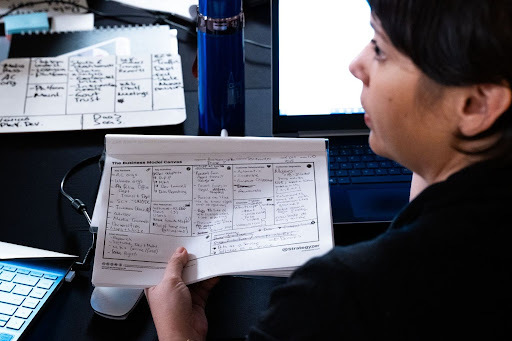
DG Developing Open Source AI Tool to Help with the Fight against Corruption
We’re excited to announce our forthcoming open-source AI tool to support anti-corruption work. The tool, which we hope to register as a Digital Public Good, will be used to extract text from complicated contracts and support anti-corruption efforts by increasing accessibility of and transparency around hard-to-access information.
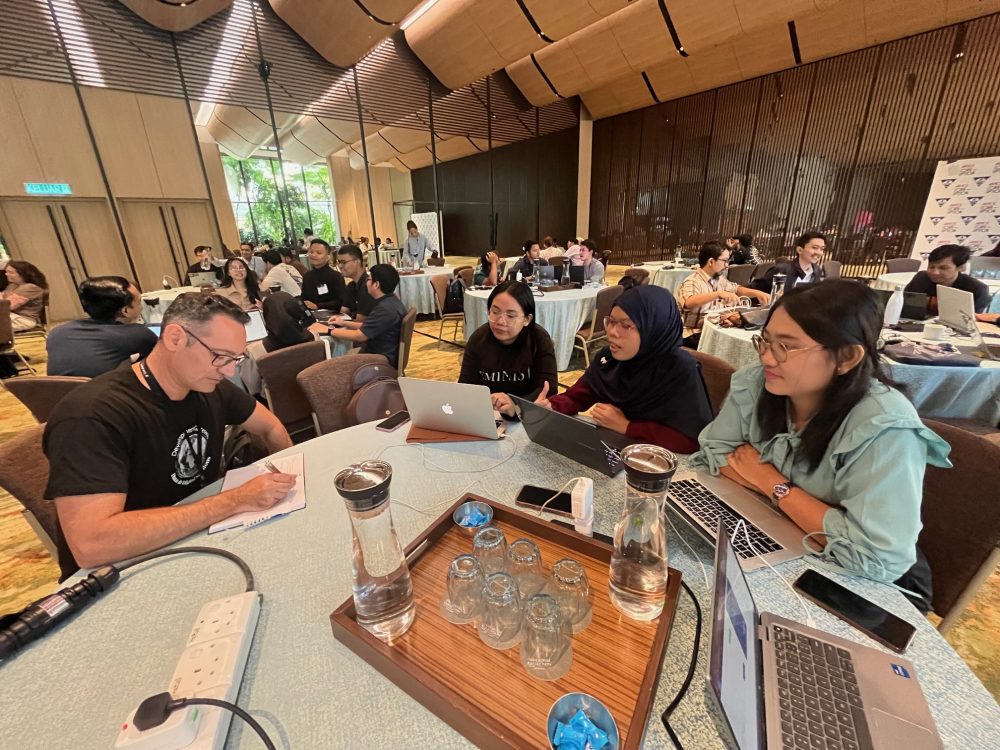
Three “Hacks” in Advancing Anti-Corruption Work To Strengthen Accountability
Since partnering with Accountability Lab (AL) on HackCorruption in 2023, staff from Development Gateway: An IREX Venture (DG) and AL have mentored teams from the hackathons hosted by the project, which is aimed at leveraging innovative digital tools to identify and fight corruption. After serving as the mentorship team for hackathon winners, DGers Gabriel Inchauspe and Kelley Sams, along with AL’s David Sada have identified three hacks in mentoring anti-corruption change-makers and ultimately, furthering transparency and accountability through the creation and use of digital tools.
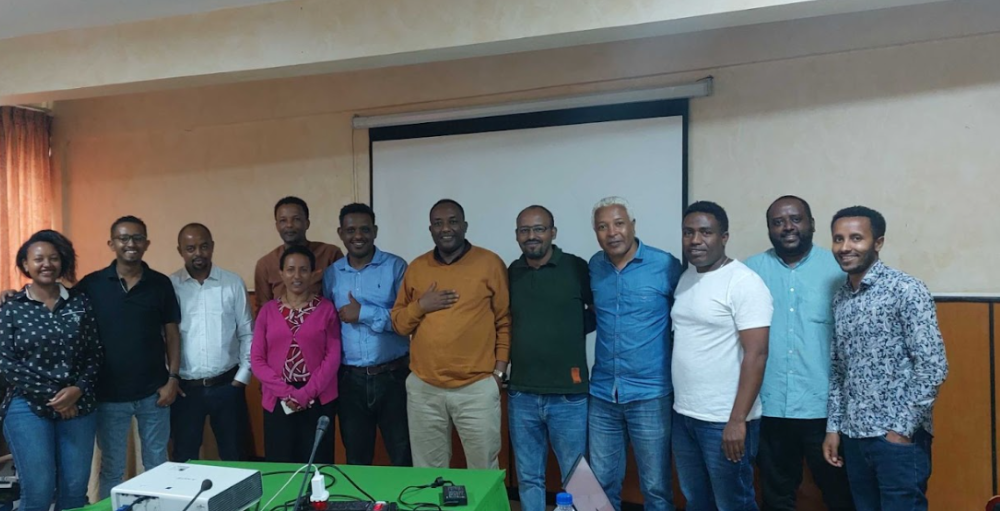
aLIVE Program Reaches Milestone: Livestock Data Standards Endorsed by Ethiopia’s Ministry of Agriculture
In early 2024, the "a Livestock Information Vision Ethiopia" (aLIVE) governing committee endorsed a comprehensive set of standards to guide the collection, storage, and maintenance of livestock data in Ethiopia (i.e., a data standard). The data standard specifically focuses on standardizing data on cattle, sheep, goats, and camels in the country. The National Livestock Data Standard document contains standardized data sets for national animal data recording, animal disease, diagnosis, treatment, vaccination recording, animal events recording, location, and other additional attributes.